Folding Carton vs. Rigid Box: Cost, MOQ & Best Use Cases for B2B Brands
Published April 24, 2026 | By Side Packaging Expert Team
Introduction (Direct Answer)
When choosing between a Folding Carton and a Rigid Box, the primary decision drivers are cost and brand positioning. Folding cartons are cost-effective, flat-packed, and ideal for high-volume retail, whereas rigid boxes (also known as set-up boxes) offer a premium, sturdy unboxing experience at a significantly higher unit price. For most emerging brands, folding cartons provide the best balance of brand visibility and budget efficiency.
Comparison Summary Table
| Feature | Folding Carton | Rigid Box |
|---|---|---|
| Material | SBS, Kraft, or CCNB Paperboard | Thick Chipboard wrapped in paper |
| Average Cost | $0.20 - $0.80 per unit | $1.50 - $4.50+ per unit |
| Minimum Order (MOQ) | 1,000+ units | 500+ units |
| Shipping State | Shipped flat (low cost) | Pre-assembled (high cost) |
| Unboxing Experience | Standard | Premium / Luxury |
1. What is a Folding Carton?
Folding cartons are made from a single sheet of paperboard that is printed, die-cut, and creased. They are shipped flat and "folded" into shape at the point of fulfillment.
- Scalability: The most affordable option for mass production.
- Logistics Savings: Fit thousands in a single pallet, drastically reducing freight costs.
- Versatility: Supports high-quality offset printing, foil stamping, and window patching.
2. What is a Rigid Box?
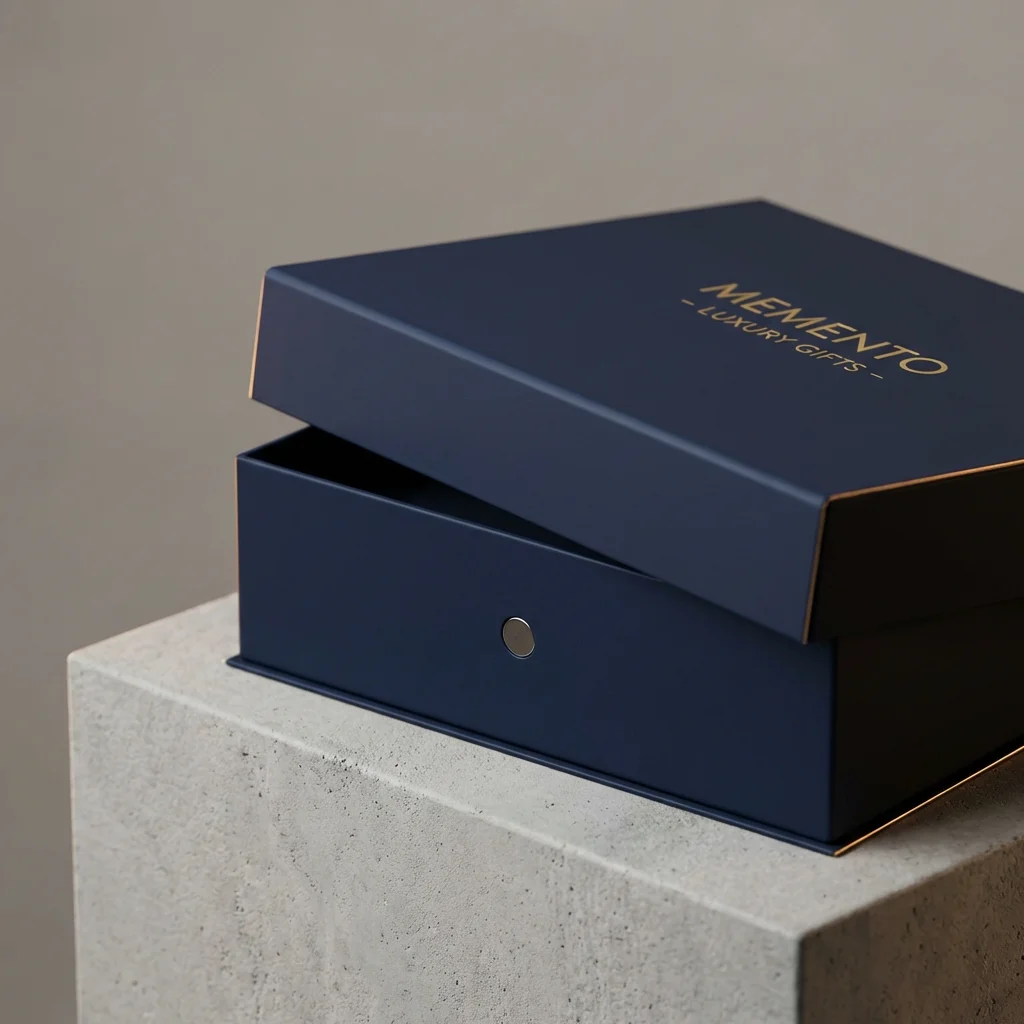
A rigid box (set-up box) is made from thick, non-bendable chipboard (usually 1mm to 3mm thick), which is then wrapped with decorative paper. They do not collapse or fold.
- Maximum Protection: Ideal for heavy or fragile items like electronics.
- Perceived Value: Signals "high-end" or "luxury," justifying a higher retail price.
- Durability: Often kept by consumers for storage, providing long-term brand exposure.
3. How to Choose: Decision Guide
Step 1: Budget
If your unit cost is under $1.00, Folding Carton is the choice. For $2.00+, consider a Rigid Box.
Step 2: Logistics
Rigid boxes take up significant space. Folding Cartons are the kings of e-commerce efficiency.
4. Value Engineering: The Hybrid Approach
At Side Packaging, we often suggest a "Hybrid Approach" to save costs: use a High-GSM Folding Carton with a Soft-Touch Lamination and Foil Stamping. This setup mimics the feel of a luxury box but retains the cost and shipping benefits of a folding carton.
Ready to optimize your packaging?
Not sure which box fits your product? Our engineers will provide a cost-comparison based on your specific dimensions and target price.
Get a Free Structural ConsultationFrequently Asked Questions
Q: Why are rigid boxes more expensive than folding cartons?
A: Rigid boxes require more material (thick chipboard) and involve more manual labor during assembly. Their inability to ship flat increases freight costs significantly.
Q: Which is more eco-friendly?
A: Both can be eco-friendly if made from recycled content or FSC-certified paper. However, folding cartons have a smaller carbon footprint during transportation.